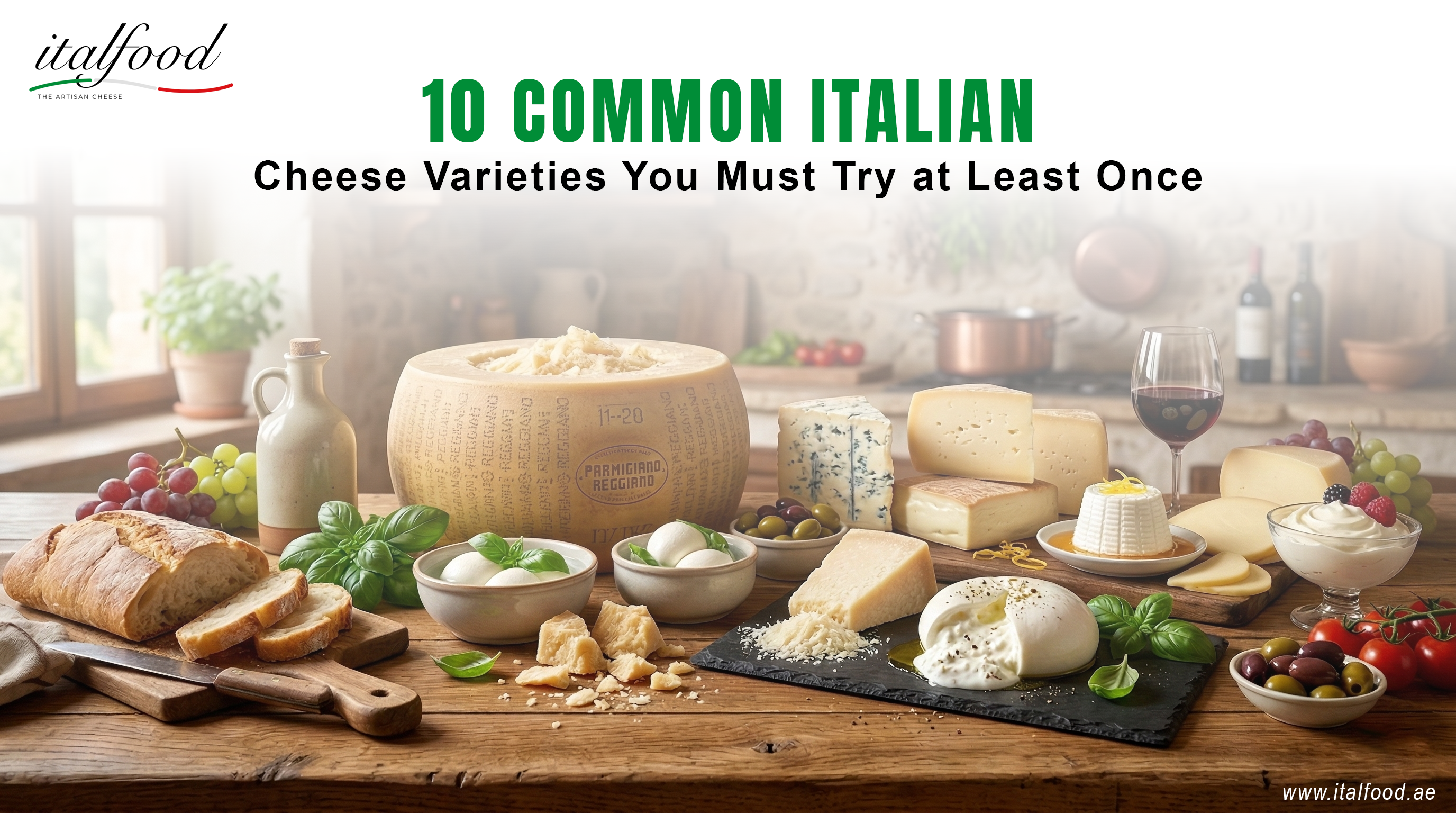
Italian cuisine is  renowned worldwide for its rich flavors, fresh ingredients, and culinary traditions. One of the most iconic elements of Italian food culture is cheese. From creamy, fresh varieties to bold, aged classics, common Italian cheese plays a vital role in many traditional dishes.Italy produces hundreds of regional cheeses, each with its own texture, flavor profile, and culinary use. Some cheeses like Fresh Italian MozzarellaItalian Cheese Burrata, and Buffalo Mozzarella are globally loved for their delicate texture and creamy taste, while others, such as Parmesan or Pecorino, bring bold flavor to pasta and sauces.In this guide, we explore 10 common Italian cheese varieties you must try at least once, along with their origin, taste, and best ways to enjoy them.

What Makes Italian Cheese Unique?

Traditional Cheese-Making Techniques

Italian cheese-making is deeply rooted in centuries-old traditions. Many Italian cheeses are still produced using artisanal methods that have been passed down through generations. Fresh milk from cows, sheep, or water buffalo is transformed into cheese through natural fermentation and careful aging processes.Many famous Italian cheeses also carry protected certifications like DOP (Denominazione di Origine Protetta), which ensures the cheese is produced in a specific region using traditional methods.

Regional Diversity of Italian Cheese

Italy’s geography plays a big role in its cheese diversity. Northern regions such as Lombardy and Veneto are known for creamy and semi-soft cheeses, while central and southern regions produce famous fresh cheeses like mozzarella and burrata.

Fresh vs Aged Italian Cheese

Italian cheeses generally fall into two categories:Fresh cheeses

  • Mozzarella
  • Burrata
  • Ricotta

Aged cheeses

  • Parmigiano Reggiano
  • Pecorino Romano
  • Asiago

Fresh cheeses are mild and creamy, while aged cheeses develop stronger flavors over time.

10 Common Italian Cheese Varieties You Must Try

1. Fresh Italian Mozzarella

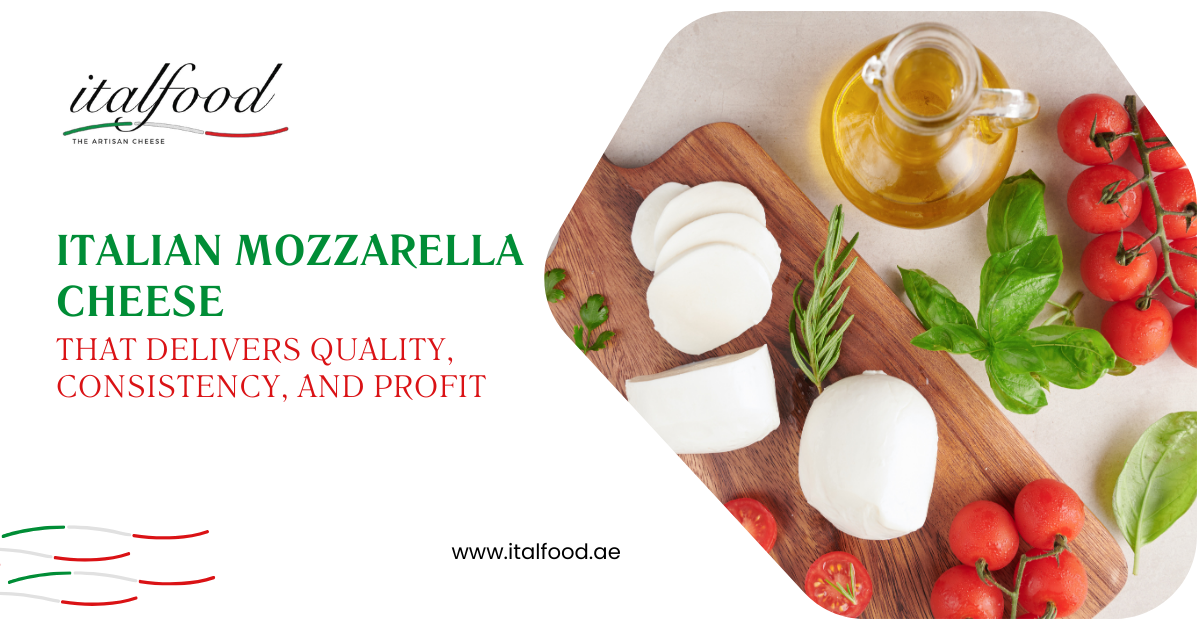
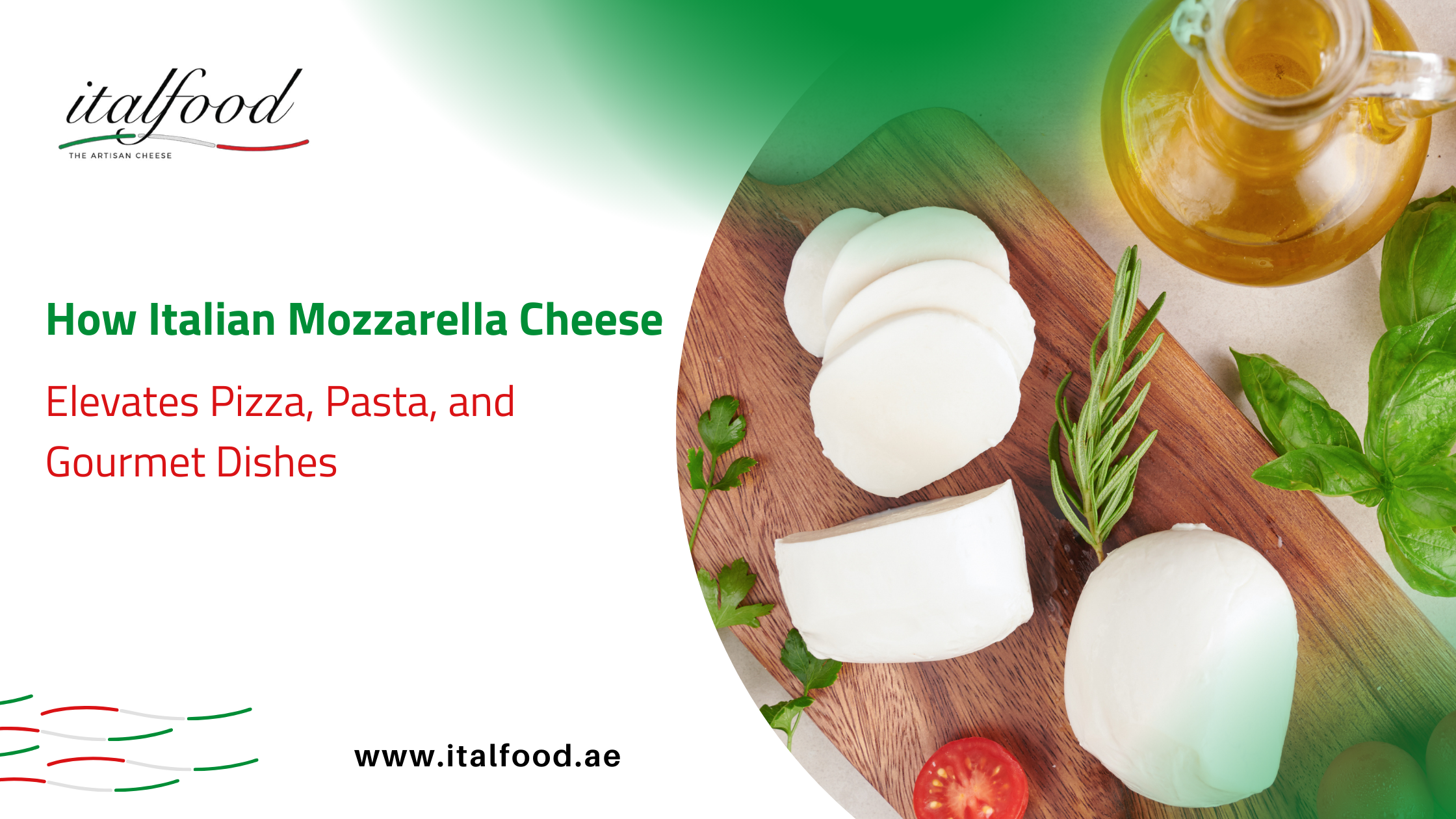
Fresh Italian Mozzarella is one of the most recognizable cheeses in the world. Originally from southern Italy, this soft cheese is made using a process called “pasta filata,” where curds are stretched to create its smooth, elastic texture.Fresh mozzarella has a mild, milky flavor and a delicate, moist consistency.Common uses

  • Caprese salad
  • Pizza toppings
  • Sandwiches and appetizers

Unlike processed mozzarella, fresh mozzarella is softer and stored in brine to maintain its moisture.

2. Burrata – The Creamy Italian Favorite

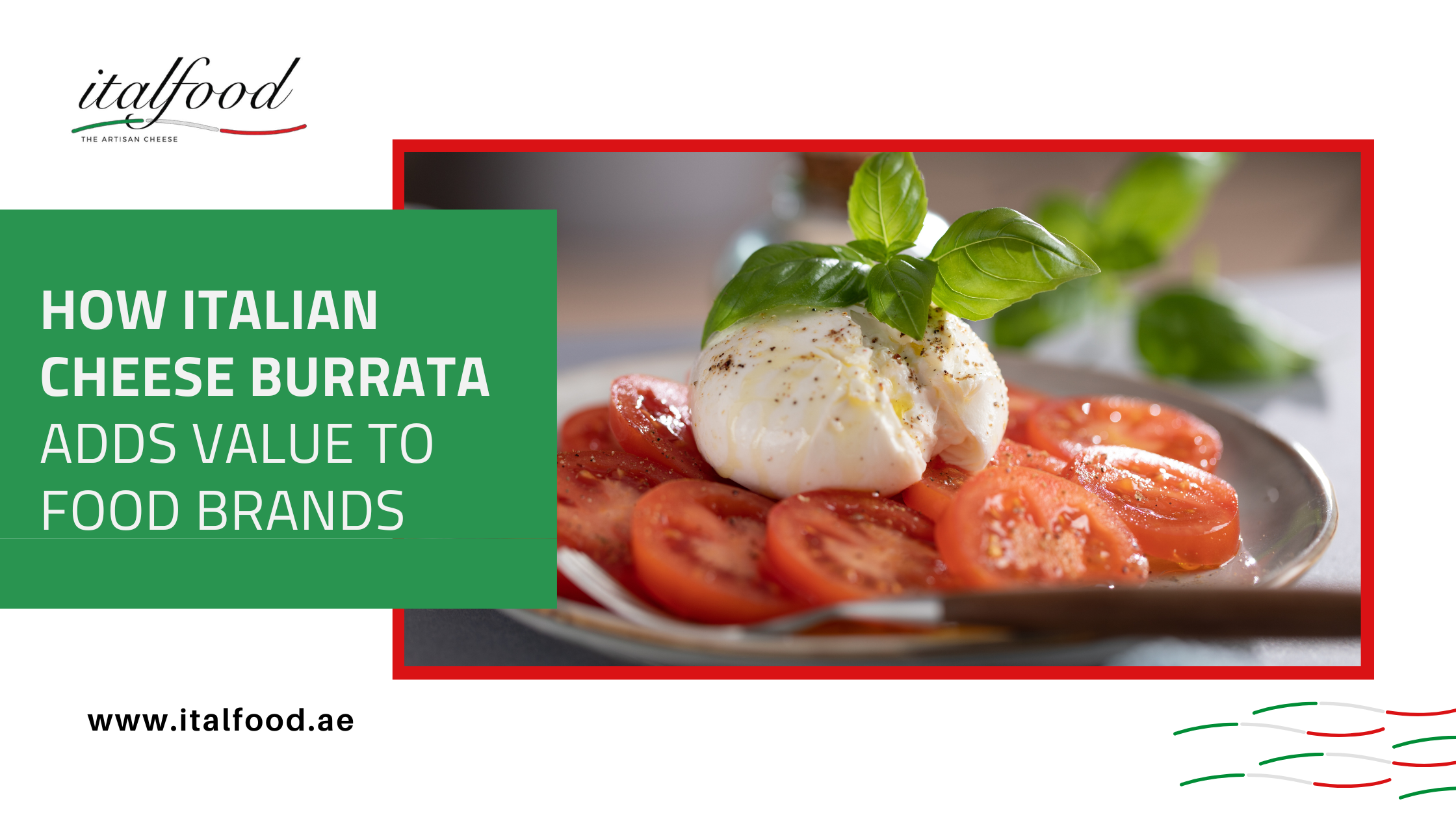
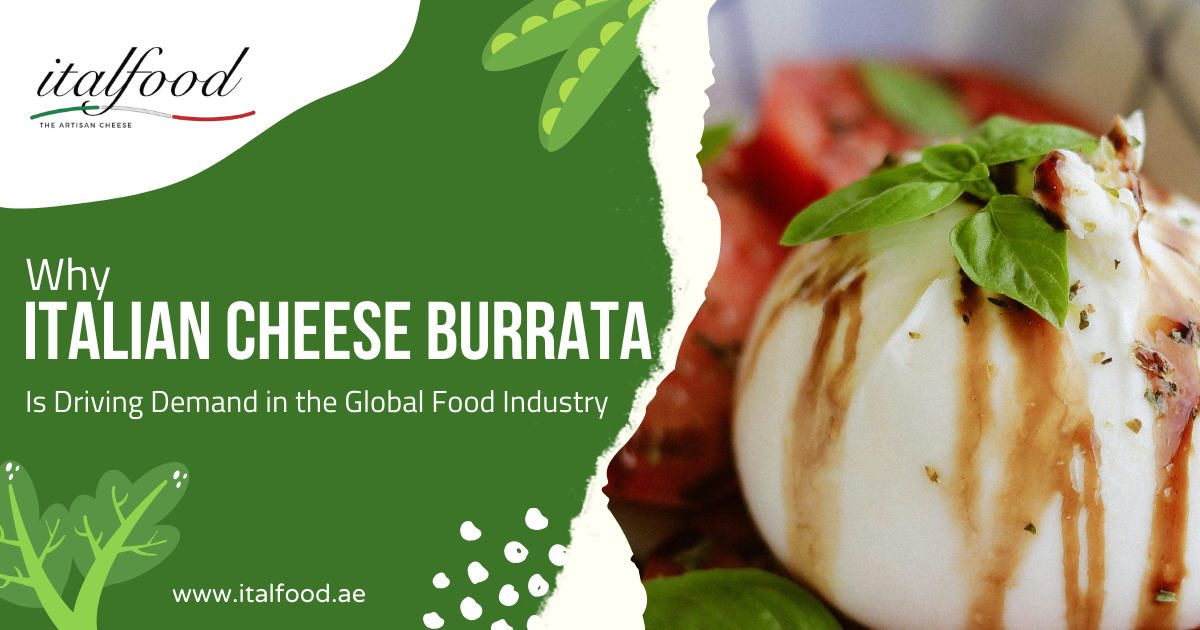
Italian Cheese Burrata is a luxurious fresh cheese that looks similar to mozzarella from the outside but hides a creamy surprise inside.The outer shell is made from mozzarella, while the interior contains a mixture of cream and soft cheese curds called stracciatella. When cut open, burrata releases a rich and creamy center.Best ways to serve burrata

  • With fresh tomatoes and olive oil
  • On toasted bread
  • Paired with roasted vegetables

Its smooth texture and delicate flavor have made burrata extremely popular in modern restaurants.

3. Buffalo Mozzarella (Mozzarella di Buffalo)

Buffalo Mozzarella, also known as mozzarella di buffalo, is made from the milk of water buffalo rather than cows. This milk gives the cheese a richer taste and creamier texture.Buffalo mozzarella is considered a premium Italian cheese and is protected by strict production standards in certain regions of Italy.Key characteristics

  • Creamier than cow milk mozzarella
  • Slightly tangy flavor
  • Soft and juicy texture

It is commonly used in salads, pizza, and traditional Italian appetizers.

4. Parmigiano Reggiano

Often called the “King of Cheese,” Parmigiano Reggiano is one of the most famous aged Italian cheeses. This hard cheese is aged for 12 to 36 months, which creates its rich umami flavor and crumbly texture.Parmigiano Reggiano is widely used in Italian cooking.Common culinary uses

  • Grated over pasta
  • Added to risotto
  • Used in soups and sauces

Its nutty, salty taste makes it a staple in Italian kitchens.

5. Pecorino Romano

Pecorino Romano is a traditional sheep milk cheese known for its strong, salty flavor. It has been produced in Italy for thousands of years and remains a key ingredient in many classic pasta dishes.Popular uses

  • Pasta carbonara
  • Cacio e pepe
  • Pasta sauces

Compared to Parmesan, Pecorino Romano has a sharper taste.

6. Gorgonzola

Gorgonzola is one of Italy’s most famous blue cheeses. It is characterized by blue-green veins created by natural mold during the aging process.There are two main types:

  • Gorgonzola Dolce – soft and creamy
  • Gorgonzola Piccante – firmer with a stronger flavor

This cheese works well in pasta sauces, salads, and cheese boards.

7. Ricotta

Ricotta is a light and creamy Italian cheese made from whey, the liquid left after other cheeses are produced. The name “ricotta” means “recooked,” referring to its production process.Ricotta has a mild flavor and soft texture.Popular dishes with ricotta

  • Lasagna
  • Cannoli
  • Ravioli fillings

It is widely used in both sweet and savory recipes.

8. Taleggio

Taleggio is a semi-soft cheese from northern Italy. It has a washed rind that gives it a slightly strong aroma, but its flavor is surprisingly mild and buttery.This cheese melts well and is often used in risotto or polenta.

9. Provolone

Provolone is a stretched-curd cheese similar to mozzarella but aged longer for a deeper flavor.There are two main varieties:

  • Provolone Dolce – mild and slightly sweet
  • Provolone Piccante – sharper and aged longer

Provolone is commonly used in sandwiches, pasta dishes, and melted recipes.

10. Asiago

Asiago is a versatile cow milk cheese that can be enjoyed fresh or aged.Fresh Asiago

  • Smooth texture
  • Mild and creamy flavor

Aged Asiago

  • Harder texture
  • Stronger nutty taste

It is often used grated over pasta, salads, and baked dishes.

Fresh Italian Cheese vs Aged Italian Cheese

Understanding the difference between fresh and aged Italian cheeses helps you choose the right cheese for your dish.Fresh cheeses

  • Soft and creamy
  • Mild flavor
  • Short shelf life

Examples include mozzarella, burrata, and ricotta.Aged cheeses

  • Firm texture
  • Stronger flavor
  • Longer storage life

Examples include Parmigiano Reggiano and Pecorino Romano.

How to Serve Italian Cheese Like an Expert

Italian cheese can be enjoyed in many ways. To get the best flavor, serve cheese at room temperature.Simple serving ideas

  • Pair with fresh bread or crackers
  • Add honey or fruit for contrast.
  • Serve with olives and cured meats.

Fresh cheeses like burrata and mozzarella are best enjoyed soon after opening.

Health Benefits of Italian Cheese

Italian cheeses are not only delicious but also nutritious. Many varieties provide essential nutrients such as protein, calcium, and vitamins.Key benefits

  • Supports bone health
  • Provides high-quality protein
  • Contains beneficial fats and probiotics

Fresh cheeses like mozzarella and ricotta are often lighter compared to aged varieties.

Conclusion

Italian cheese is a cornerstone of Italian cuisine and offers an incredible variety of flavors and textures. From the creamy richness of Italian Cheese Burrata and Fresh Italian Mozzarella to the bold taste of Parmigiano Reggiano and Pecorino Romano, each cheese tells a story of tradition and craftsmanship.Exploring these 10 common Italian cheese varieties is a delicious way to experience authentic Italian flavors. Whether you enjoy them in pasta, salads, or on a simple cheese board, these cheeses deserve a place in every food lover’s kitchen.
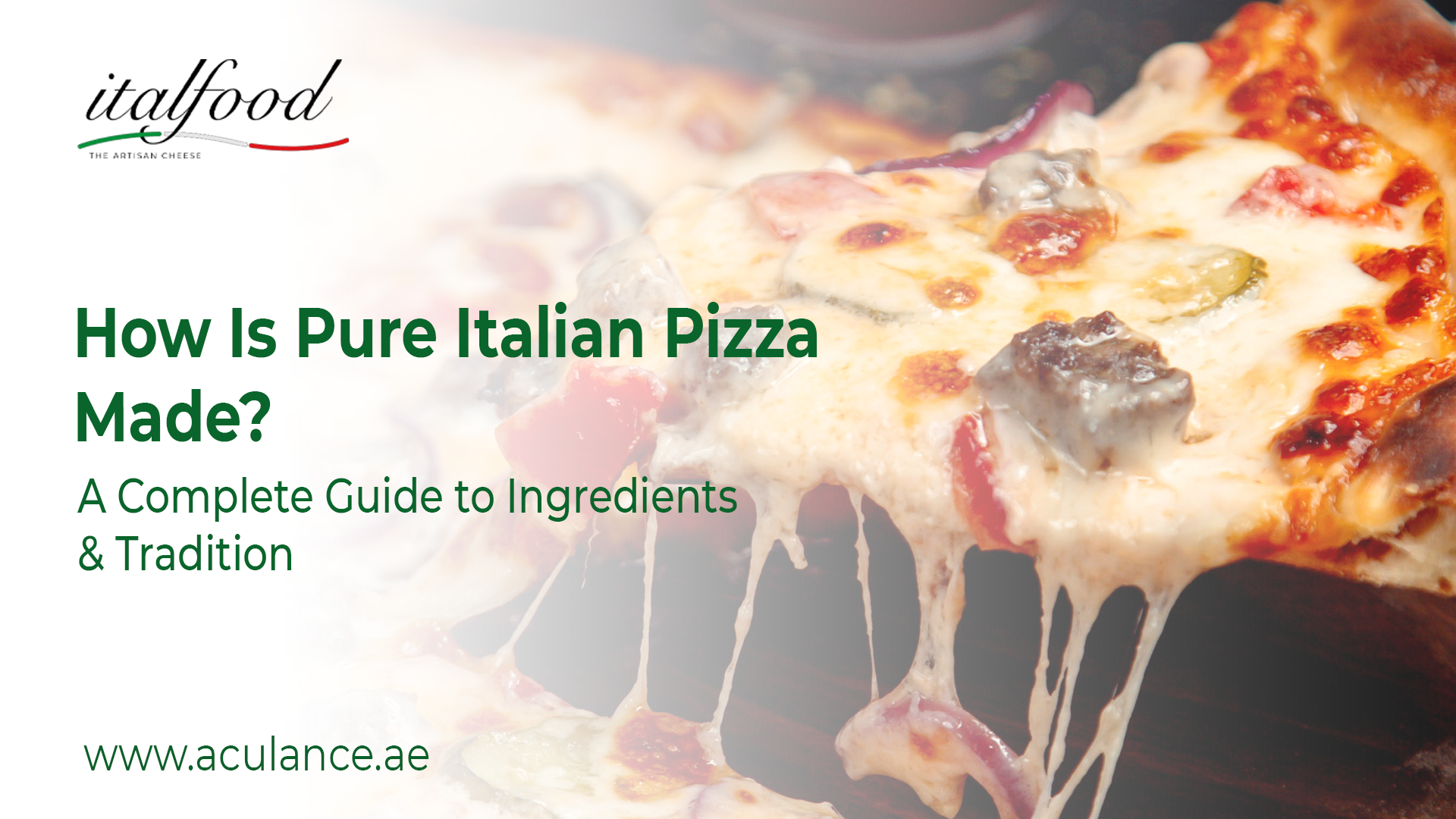

Pure Italian Pizza is more than a popular dish—it is a culinary tradition shaped by regional ingredients, time-honored techniques, and strict quality standards. From the streets of Naples to premium restaurants worldwide, authentic Italian pizza represents simplicity, balance, and craftsmanship.In this complete guide, we explore how Pure Italian Pizza is made, the role of Italian cheese, and why sourcing from a trusted Italian Cheese Company matters for both hospitality businesses and serious food enthusiasts.

The Birthplace of Authentic Italian Pizza

The story of Pure Italian Pizza begins in Naples, where pizza evolved into a structured culinary art in the 18th and 19th centuries. Unlike heavily topped commercial versions, traditional Neapolitan pizza focuses on just a few premium ingredients combined with technical precision.The authenticity of this pizza style is protected by the Associazione Verace Pizza Napoletana (AVPN), which defines exact preparation rules. These guidelines include the type of flour used, fermentation time, hand-stretching methods, and baking temperature.This standardization ensures that Pure Italian Pizza maintains its soft center, airy crust, and balanced flavor profile wherever it is prepared correctly.

The Foundation: Dough Made with Precision

Authentic Italian pizza dough contains only four ingredients: finely milled Type 00 flour, water, salt, and yeast. What distinguishes it from commercial dough is time.Traditional dough undergoes slow fermentation for 24 to 48 hours. This extended resting period allows gluten development and natural flavor enhancement while improving digestibility. The dough is never mechanically rolled; instead, it is gently hand-stretched to preserve internal air pockets.The result is a crust that is light, elastic, and slightly charred after baking—never dense or overly crisp.

The Sauce: Why Tomato Quality Matters

Pure Italian Pizza uses simple tomato sauce made from premium Italian tomatoes, most notably San Marzano tomatoes. Grown in volcanic soil near Mount Vesuvius, these tomatoes are prized for their low acidity and natural sweetness.Unlike processed pizza sauces, authentic versions are minimally seasoned. The tomatoes are crushed by hand or lightly blended, then spread sparingly over the dough. The goal is not to overpower but to complement the cheese and crust.This balance of acidity and sweetness defines the flavor identity of authentic Italian pizza.

Italian Cheese: The Soul of Pure Italian Pizza

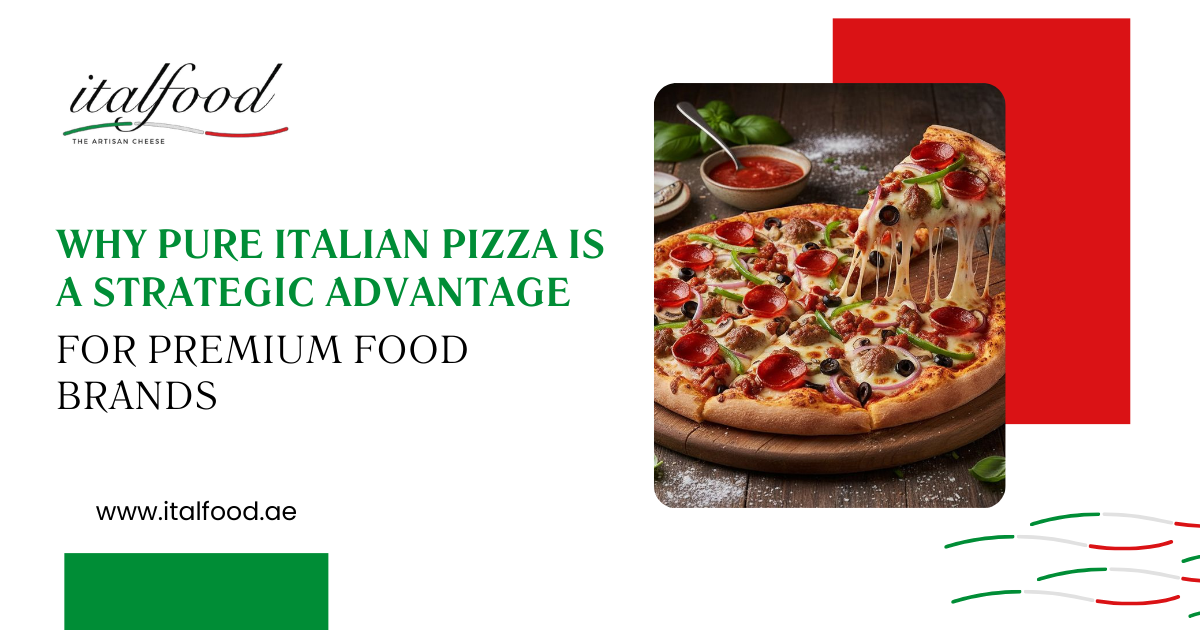
Italian cheese is central to the pizza’s taste, texture, and authenticity. While global variations may use processed blends, traditional recipes rely on specific varieties known for their melt quality and flavor depth.The most iconic option is Mozzarella di Buffalo, made from water buffalo milk. This cheese delivers a creamy texture, delicate tang, and superior moisture content. It creates the soft, slightly milky pools seen on authentic Neapolitan pizzas.Another widely used variety is Fior di Latte, a cow’s milk mozzarella with balanced stretch and mild flavor. It is often preferred for its consistent melting behavior in professional kitchens.For finishing touches, aged cheeses such as Parmigiano Reggiano or Pecorino Romano are lightly grated on top. These cheeses enhance umami depth without overwhelming the fresh mozzarella.Understanding common Italian cheese varieties helps restaurants and buyers choose the right combination for authentic results.

Assembly: The Philosophy of Simplicity

One of the defining principles of Pure Italian Pizza is restraint. Unlike heavily loaded pizzas, the Italian method follows a “less is more” philosophy.After stretching the dough, a thin layer of tomato sauce is applied, followed by evenly distributed mozzarella. Fresh basil leaves and a drizzle of extra virgin olive oil complete the preparation.This simplicity allows each ingredient to remain distinct while contributing to a unified flavor profile. The crust, cheese, and tomato must work in harmony—no single element should dominate.

The Baking Process: Heat and Speed

Traditional Pure Italian Pizza is baked in a wood-fired oven at temperatures between 400°C and 485°C. At this intense heat, the pizza cooks in just 60 to 90 seconds.This rapid baking creates characteristic leopard-like charring on the crust while keeping the interior soft and airy. The cheese melts quickly without losing moisture, and the tomatoes retain freshness.Modern adaptations may use electric or gas ovens, but achieving authentic texture requires replicating the high heat and short cooking time of a traditional wood-fired environment.

Ital Pizza vs. Pure Italian Pizza

The term Ital Pizza often refers to international interpretations inspired by Italian flavors. While these versions can be delicious, they typically feature thicker crusts, heavier toppings, and blended cheeses designed for mass production.Pure Italian Pizza, by contrast, prioritizes ingredient origin, fermentation time, and artisanal baking methods. The distinction lies not just in flavor but in philosophy—authentic pizza celebrates minimalism and craftsmanship.For hospitality brands seeking premium positioning, understanding this difference is essential.

Why the Right Italian Cheese Company Matters

For restaurants, distributors, and HoReCa businesses, sourcing plays a critical role in maintaining authenticity. A reputable Italian Cheese Company ensures proper cold-chain logistics, PDO-certified products, and consistent quality standards.Authentic Italian cheese requires careful handling to preserve moisture, texture, and flavor. Direct partnerships with Italian producers help maintain traceability from farm to kitchen.When businesses invest in genuine ingredients, customers notice the difference in taste, melt, and overall experience.

Nutritional and Quality Considerations

Contrary to popular belief, traditional Italian pizza is often lighter than heavily processed alternatives. The long fermentation process improves digestibility, and the minimal ingredient list reduces unnecessary additives.High-quality Italian cheese provides protein and calcium, while natural tomato sauce offers antioxidants such as lycopene. When prepared traditionally, Pure Italian Pizza can be part of a balanced Mediterranean-style diet.Quality, not quantity, defines its nutritional profile.

Frequently Asked Questions

What cheese is used in Pure Italian Pizza?
 Authentic recipes typically use Mozzarella di Buffalo or Fior di Latte, sometimes finished with Parmigiano Reggiano or Pecorino Romano.

What makes Italian pizza different from regular pizza?
 The difference lies in slow-fermented dough, premium Italian tomatoes, authentic Italian cheese, and high-temperature wood-fired baking.

How long does traditional pizza dough ferment?
 It usually ferments between 24 and 48 hours to enhance flavor and texture.

Is Ital Pizza authentic?
 Ital Pizza is inspired by Italian traditions but may adapt ingredients and techniques for international markets.

Conclusion: Tradition Defines Authentic Flavor

Pure Italian Pizza is a product of history, discipline, and respect for ingredients. From the flour and tomatoes to the carefully selected Italian cheese, every element serves a purpose.Whether you are a restaurant owner, distributor, or culinary enthusiast, understanding these traditional methods ensures that authenticity is preserved. By partnering with a trusted Italian Cheese Company and following time-honored techniques, you can deliver the genuine taste of Italy—balanced, simple, and unforgettable.

In today’s premium food economy, Authentic Italian Cheese is more than an ingredient — it is a brand differentiator. From luxury hotels to upscale restaurant chains, hospitality buyers are increasingly sourcing Italian Cheese BurrataBurrata Buffalo Mozzarella, and Fresh Italian Mozzarella to meet rising consumer demand for authenticity, quality, and traceability.For B2B buyers, however, sourcing authentic products requires a deep understanding of origin certifications, cold chain logistics, shelf life, and supplier reliability. This guide explores what defines true Italian cheese and how hospitality brands can build a resilient, profitable supply chain around it.

What Defines Authentic Italian Cheese?

Protected Origin & DOP Certification

Authenticity begins with certification. Many premium Italian cheeses carry the DOP (Denominazione di Origine Protetta) designation, ensuring they are produced in specific regions of Italy under strict quality standards.For example, Consorzio di Tutela della Burrata Buffalo Mozzarella Campana regulates and protect Mozzarella di Bufala Campana DOP. This certification guarantees:

  • Milk sourced from designated regions (Campania, Lazio, Puglia, Molise)

  • Traditional production methods

  • Strict quality control and traceability

For B2B buyers, DOP labeling reduces sourcing risk and ensures consistent product quality.

Traditional Pasta Filata Process

Authentic mozzarella and burrata are produced using the pasta filata (stretched-curd) method. Fresh curd is heated and hand-stretched to create the signature elasticity and delicate texture. Unlike mass-produced “Italian-style” cheese, authentic varieties avoid preservatives and excessive processing.

High-Demand Products in Hospitality

1. Italian Cheese Burrata

Originating in Puglia, burrata combines a mozzarella shell with a creamy interior of stracciatella and fresh cream.Why it matters for hospitality brands:

  • Premium plating appeal

  • Soft, rich texture enhances perceived menu value

  • Popular in fine dining, artisan pizzas, and gourmet salads

Shelf life typically ranges from 5–10 days under optimal refrigeration, making reliable logistics essential.

2. Burrata Buffalo Mozzarella

Burrata made from buffalo milk offers higher fat content and a richer flavor profile than cow-milk variants. Often associated with Mozzarella di Bufala traditions, this product delivers:

  • Creamier mouthfeel

  • Stronger flavor complexity

  • Premium market positioning

Luxury hotels and upscale restaurants use Burrata Buffalo Mozzarella to elevate menu pricing and brand prestige.

3. Fresh Italian Mozzarella

Fresh mozzarella comes in two main types:

  • Fior di Latte (cow’s milk)

  • Mozzarella di Buffalo (buffalo milk)

Fresh Italian Mozzarella is prized for:

  • High moisture content

  • Superior melt quality for pizza

  • Delicate, milky flavor

Compared to processed mozzarella blocks, fresh variants provide better texture and authenticity, a key factor in competitive hospitality markets.

Supply Chain Insights for B2B Buyers

Farm-to-Export Journey

Authentic Italian cheese production follows a tight daily cycle:

  1. Fresh milk collection

  2. Same-day curd processing

  3. Packaging in brine or protective liquid

  4. Immediate cold-chain shipment

Maintaining temperatures between 0 °C and 4°C throughout transit is critical. Any disruption in the cold chain compromises texture and shelf life.

Shelf Life & Inventory Planning

Fresh cheeses have limited storage windows:

  • Fresh mozzarella: 7–14 days

  • Burrata: 5–10 days

For B2B buyers, this means:

  • Accurate demand forecasting

  • Coordinated shipping schedules

  • Efficient stock rotation systems

Over-ordering increases spoilage risk, while under-ordering disrupts menu availability.

Importing vs. Local Production

Many markets offer locally produced “Italian-style” mozzarella. While cost-effective, these products may differ in:

  • Milk quality

  • Texture consistency

  • Flavor depth

  • Brand storytelling value

For premium hospitality brands, authentic imports often justify higher procurement costs through stronger menu positioning and customer trust.

Quality Control & Authenticity Verification

To avoid counterfeit or imitation products, B2B buyers should:

  • Verify DOP seals and traceability codes

  • Check producer identification numbers

  • Confirm export documentation

  • Audit supplier cold-chain protocols

Working directly with certified exporters reduces authenticity risks and ensures compliance with food safety regulations.

Strategic Sourcing for Hospitality Segments

Luxury Hotels & Fine Dining

Authentic Italian Cheese supports:

  • Premium menu pricing

  • Elevated guest experience

  • Stronger brand storytelling

High-end establishments often highlight origin on menus, reinforcing exclusivity and quality perception.

Restaurant Chains

Chains must balance authenticity with scalability. Centralized procurement contracts with certified suppliers ensure:

  • Consistent product quality across locations

  • Predictable pricing

  • Stable supply volumes

Gourmet Retail & Distributors

Retailers benefit from origin-based marketing. Packaging that emphasizes Italian heritage, buffalo milk sourcing, and DOP certification enhances shelf appeal and customer confidence.

Cost, Margin & ROI Considerations

While authentic Italian cheese carries higher upfront costs, it often improves margins through:

  • Higher menu pricing power

  • Increased perceived value

  • Reduced customer complaints

  • Stronger brand loyalty

When positioned correctly, Burrata and Fresh Italian Mozzarella can serve as signature menu items that drive repeat visits.Long-term contracts with certified suppliers may also reduce price volatility and ensure consistent availability.

Sustainability & Ethical Practices

Modern B2B buyers increasingly evaluate environmental and ethical factors. Many Italian producers focus on:

  • Animal welfare standards in buffalo farming

  • Responsible water management

  • Sustainable dairy practices

  • Improved eco-friendly packaging

Sustainability messaging strengthens hospitality brand positioning among environmentally conscious consumers.

Future Trends in Authentic Italian Cheese

Looking ahead, several trends are shaping global demand:

  • Expansion of premium dining in Asia and the Middle East

  • Growing popularity of burrata in upscale quick-service restaurants

  • Increased consumer demand for traceability

  • Digital verification tools, such as QR-based origin tracking

Hospitality brands that prioritize authenticity and supply chain transparency are likely to gain a competitive advantage.

Conclusion: Authenticity as a Competitive Advantage

For hospitality brands and distributors, Authentic Italian Cheese is not merely a specialty import — it is a strategic asset. Products like Italian Cheese BurrataBurrata Buffalo Mozzarella, and Fresh Italian Mozzarella enhance menu differentiation, strengthen brand identity, and justify premium pricing.By prioritizing certified sourcing, cold-chain excellence, and long-term supplier partnerships, B2B buyers can transform authentic Italian cheese from a perishable commodity into a sustainable competitive advantage.In a market where consumers increasingly value origin and quality, authenticity is no longer optional — it is essential.

In today’s competitive food industry, quality ingredients are no longer optional — they are the foundation of strong brands. For restaurants, hotels, retailers, distributors, and QSR chains, partnering with the right Italian Cheese Company is not just a supply decision; it’s a strategic move that directly impacts reputation, customer loyalty, and profitability.From Real Italian Mozzarella with perfect melt to premium Italian Cheese Burrata that elevates gourmet menus, wholesale buyers need consistency, authenticity, and reliability. This guide explains what defines a trusted supplier and why choosing the right partner builds long-term brand value.

Why the Right Italian Cheese Company Matters

The global demand for authentic Italian dairy continues to grow. Consumers today recognize quality. They can tell the difference between average cheese and genuine Italian craftsmanship.A reliable Italian Cheese Company delivers:

  • Consistent taste and texture
  • Scalable bulk production
  • Strict food safety compliance
  • Reliable export and cold-chain logistics

For wholesale buyers, inconsistency means waste, customer complaints, and damage to the brand. A dependable supplier ensures that every batch of cheese performs exactly as expected — whether it’s for a busy pizza chain or a luxury hotel kitchen.

What Defines a True Italian Cheese Company?

Not all suppliers offering Italian-style cheese meet authentic production standards. A true Italian Cheese Company in UAE stands out in three critical areas: heritage, quality control, and scalability.

1. Traditional Production Methods

Authentic Italian Mozzarella Cheese is produced using the traditional pasta filata method — a process where curd is stretched and kneaded to create the signature smooth, elastic texture.This method ensures:

  • Superior melt and stretch
  • Balanced moisture content
  • Fresh, milky flavor

Real Italian Mozzarella is not simply a product; it is the result of craftsmanship and controlled processing.

2. High-Quality Milk Sourcing

Premium cheese begins with premium milk. Reputable producers follow strict sourcing standards, ensuring:

  • Fresh, high-grade milk
  • Controlled dairy environments
  • Clean-label production

Wholesale buyers should prioritize suppliers that maintain transparency in sourcing and production.

3. Compliance & Export Standards

An established Italian Cheese Company follows global food safety standards such as HACCP and ISO certifications. This guarantees:

  • Safe production practices
  • International export readiness
  • Reliable cold-chain distribution

For distributors and retailers, compliance reduces risk and ensures uninterrupted supply.

Real Italian Mozzarella: The Heart of Commercial Success

For foodservice businesses, Real Italian Mozzarella is a non-negotiable ingredient. Its performance directly affects the final dish — especially in pizza, pasta, and baked applications.

Why Mozzarella Performance Matters

  • Perfect melt without excess oil release
  • Ideal stretch for pizza presentation
  • Consistent browning in high-temperature ovens
  • Balanced moisture to prevent sogginess

Restaurants depend on consistency. A trusted Italian Cheese Company ensures that the Italian Mozzarella Cheese performs the same way in every kitchen, every day.

Types of Italian Mozzarella Cheese for Wholesale

Wholesale buyers typically choose from:

  • Fresh mozzarella for salads and gourmet dishes
  • Low-moisture mozzarella for pizza chains
  • Buffalo mozzarella for premium dining concepts

Each type serves a different market segment, allowing brands to position themselves strategically.

Italian Cheese Burrata: Premium Value for Modern Menus

Few products communicate luxury like Italian Cheese Burrata. With its delicate mozzarella shell and creamy stracciatella center, burrata has become a centerpiece in upscale dining and premium retail shelves.

Why Burrata Drives Higher Margins

  • Visually appealing presentation
  • Creamy texture that enhances simple dishes
  • Premium pricing potential

For restaurants, adding Italian Cheese Burrata to the menu instantly elevates brand perception. For retailers, it attracts discerning customers seeking authentic European flavors.

Wholesale Considerations for Burrata

Because burrata is highly perishable, wholesale buyers must ensure:

  • Strict temperature control during transportation
  • Short supply chains for freshness
  • Protective packaging to maintain texture

An experienced Italian Cheese Company understands the logistical demands of delivering burrata at scale without compromising quality.

How Quality Italian Cheese Builds Strong Brands

In B2B markets, product consistency directly influences brand loyalty. Here’s how partnering with the right supplier creates competitive advantage:

1. Brand Differentiation

Using Real Italian Mozzarella and premium burrata distinguishes a brand from competitors using generic alternatives.Consumers notice:

  • Better taste
  • Better texture
  • Better presentation

That difference translates into repeat business.

2. Operational Efficiency

Consistent cheese performance reduces:

  • Food waste
  • Kitchen errors
  • Customer complaints

For high-volume operations, this directly improves profitability.

3. Scalable Growth

As your business expands, your supplier must grow with you. A reliable Italian Cheese Company offers:

  • Bulk production capacity
  • Custom packaging solutions
  • Private labeling options

This flexibility supports distributors, supermarkets, and hospitality chains scaling across regions.

Industry Trends Shaping the Italian Cheese Market

Wholesale buyers should also stay aware of market trends influencing purchasing decisions:

  • Rising global demand for authentic Italian Mozzarella Cheese
  • Growth of premium cheese offerings in QSR and fast-casual brands
  • Increased consumer preference for clean-label dairy
  • Sustainability initiatives in dairy production

Partnering with a forward-thinking Italian Cheese Company ensures alignment with these evolving market expectations.

Key Questions Wholesale Buyers Should Ask

Before selecting a supplier, consider these essential questions:

  • Is the mozzarella produced using traditional Italian techniques?
  • What milk sourcing standards are followed?
  • Can the supplier guarantee batch-to-batch consistency?
  • What certifications and export capabilities are in place?
  • How is cold-chain integrity maintained?

The answers determine whether your supplier will strengthen or weaken your brand.

Conclusion

In wholesale food markets, quality is not a luxury — it is a necessity. The right Italian Cheese Company delivers more than cheese; it delivers consistency, reliability, and long-term brand value.From Real Italian Mozzarella that guarantees perfect melt to Italian Cheese Burrata that elevates premium menus, authentic ingredients help businesses stand out in competitive markets.For wholesale buyers, investing in quality Italian Mozzarella Cheese is investing in customer satisfaction, operational efficiency, and brand growth.

Italian Mozzarella Cheese has long been regarded as a benchmark for quality in global cuisine. From artisan pizzerias to large-scale food service operations, its demand continues to grow due to its unmatched taste, texture, and performance. While many cheeses attempt to replicate their characteristics, Real Italian Mozzarella stands apart through tradition, craftsmanship, and reliable results.For restaurants, food brands, and distributors, choosing Authentic Italian Cheese is not just about flavor—it’s about consistency, customer satisfaction, and long-term profitability. This article examines why Fresh Italian Mozzarella remains a smart and sustainable option for contemporary food businesses.

What Is Authentic Italian Mozzarella Cheese?

Authentic Italian Mozzarella Cheese originates from Italy and follows traditional production methods passed down through generations. The most well-known varieties originate from the Campania region, where climate, milk quality, and craftsmanship play a crucial role.There are two primary types:

  • Mozzarella di Bufala – made from water buffalo milk, known for its rich flavor and high moisture.
  • Fior di Latte – made from cow’s milk, offering a delicate taste and excellent melting properties.

Unlike mass-produced cheese, Real Italian Mozzarella is crafted using traditional techniques that preserve freshness, elasticity, and natural flavor.

Key Characteristics of Real Italian Mozzarella

High-quality Italian Mozzarella Cheese can be identified by several distinct traits:

  • Soft, elastic texture that stretches without breaking
  • Fresh, milky aroma and clean taste
  • Natural white color, free from artificial whitening agents
  • Minimal ingredients: milk, rennet, salt, and cultures

These qualities define Authentic Italian Cheese and directly impact its performance in professional kitchens.

Why Fresh Italian Mozzarella Makes a Noticeable Difference

Freshness is one of the most important factors in mozzarella quality. Fresh Italian Mozzarella offers superior moisture balance, which enhances both flavor and functionality.In cooking applications, this results in:

  • Even melting without excessive oil release
  • Excellent stretch, ideal for pizzas and baked dishes
  • Creamy mouthfeel in cold recipes like salads

For chefs and food operators, this consistency translates into better presentation and repeat customer satisfaction.

Quality Standards Behind Italian Mozzarella CheeseThe quality of Italian Mozzarella Cheese begins with milk sourcing. Fresh milk is processed quickly to retain natural proteins and flavor. The defining step is the pasta filata method, where curds are stretched in hot water to develop elasticity.Strict quality controls ensure:

  • Proper moisture content
  • Balanced acidity
  • Uniform texture across batches

These standards are what allow Real Italian Mozzarella to deliver dependable results in both small kitchens and large-scale operations.

Consistency: The Key Advantage for Restaurants and Food Brands

Consistency is critical in food service, and Authentic Italian Cheese excels in this area. Each batch is designed to perform the same way every time.Benefits include:

  • Predictable melting and browning behavior
  • Uniform portion control
  • Reduced preparation errors
  • Lower food waste

This reliability allows restaurants and brands to maintain menu quality, even during peak service hours.

How Authentic Italian Mozzarella Cheese Improves Profit Margins

While Italian Mozzarella Cheese may carry a premium perception, it often delivers better financial returns.Key profitability advantages:

  • Higher melt coverage reduces cheese usage per dish
  • Minimal shrinkage during baking
  • Premium quality supports higher menu pricing
  • Strong customer loyalty and brand trust

In the long run, Real Italian Mozzarella helps businesses balance quality with cost efficiency.

Applications of Fresh Italian Mozzarella Across Cuisines

The versatility of Fresh Italian Mozzarella makes it a staple across global menus:

  • Neapolitan and artisan-style pizzas
  • Caprese salads and antipasti
  • Pasta bakes, lasagna, and casseroles
  • Gourmet sandwiches and flatbreads

Its adaptability allows chefs to experiment while maintaining consistent quality.

How to Identify Real Italian Mozzarella Cheese

Not all mozzarella is authentic. To ensure you are purchasing Real Italian Mozzarella, look for:

  • Clear country-of-origin labeling
  • PDO or DOP certification (where applicable)
  • Natural texture and mild dairy aroma
  • Absence of starches or artificial additives

These indicators help distinguish Authentic Italian Cheese from processed alternatives.

Choosing the Right Italian Mozzarella Supplier

A reliable supplier is essential for maintaining quality. Key factors to consider include:

  • Proper cold-chain logistics
  • Consistent batch quality
  • Transparent sourcing information
  • Packaging that preserves freshness

Working with the right supplier ensures your Italian Mozzarella Cheese performs as expected from delivery to plate.

Conclusion

Italian Mozzarella Cheese combines tradition, performance, and profitability in a way few ingredients can match. Its superior quality, reliable consistency, and broad application make it an ideal choice for food businesses focused on long-term success.By choosing Authentic Italian Cheese and prioritizing Fresh Italian Mozzarella, restaurants and brands can deliver better products, build stronger customer trust, and achieve sustainable growth. In today’s competitive food market, real quality is not an expense—it’s an investment.

Pure Italian Pizza is not simply a meal—it is a cultural symbol rooted in centuries of Italian tradition. Originating in Naples, this iconic dish embodies simplicity, craftsmanship, and a reverence for high-quality ingredients. While pizza has evolved globally into countless variations, Ital Pizza remains defined by its authenticity, balance, and unmistakable flavor. At the heart of this experience lies Italian Cheese, produced by time-honored Italian Cheese Companies that protect the integrity of the original recipe.

The Birthplace of Pizza: Naples’ Culinary Heritage

Naples is widely recognized as the birthplace of pizza. In the 18th century, Neapolitan bakers created flatbreads topped with tomatoes, olive oil, and cheese to serve the working class. This humble dish later gained international recognition and was honored by UNESCO as an Intangible Cultural Heritage of Humanity.

Traditional Neapolitan pizza is cooked in wood-fired ovens at extremely high temperatures, resulting in a soft, airy crust with light charring. These techniques laid the foundation for what we now call Pure Italian Pizza—a style that values tradition over trends.

What Defines Pure Italian Pizza

Pure Italian Pizza follows strict principles that distinguish it from commercial or fast-food versions.

Key defining elements include:

  • Hand-stretched dough made from finely milled Italian flour
  • Naturally fermented dough for better texture and digestibility
  • Fresh tomato sauce made from Italian tomatoes
  • High-quality Italian Cheese sourced from trusted producers


This commitment to simplicity ensures that every ingredient plays a meaningful role, creating harmony rather than overpowering flavors.

Italian Cheese: The Heart of Ital Pizza

Italian Cheese is one of the most important elements of Pure Italian Pizza. It contributes not only flavor but also aroma, melt quality, and texture.

Popular Italian cheeses used in Ital Pizza include:

  • Mozzarella di Bufala – Creamy, rich, and slightly tangy
  • Fior di Latte – Made from cow’s milk with a delicate flavor
  • Parmigiano Reggiano – Adds depth and savory notes.


Unlike processed cheese alternatives, authentic Italian Cheese melts evenly, releases minimal oil, and enhances the overall mouthfeel of the pizza.

Inside an Italian Cheese Company: Craftsmanship Matters

A reputable Italian Cheese Company operates on tradition, precision, and quality control. These companies carefully select milk from local farms, follow regulated production methods, and often age their cheeses under specific environmental conditions.

Key characteristics of an authentic Italian Cheese Company include:

  • Milk sourced from specific regions in Italy
  • No artificial additives or preservatives
  • Strict adherence to Protected Designation of Origin (PDO) standards


This craftsmanship ensures that the cheese maintains its natural taste and nutritional value, making it ideal for Pure Italian Pizza.

From Italy to the World: The Global Rise of Ital Pizza

Pure Italian Pizza has expanded far beyond Italy, gaining popularity across Europe, Asia, and the Americas. However, maintaining authenticity outside Italy remains a challenge.

Restaurants and food brands that stay true to Ital Pizza traditions often:

  • Import Italian Cheese directly from certified producers
  • Use traditional dough fermentation techniques.
  • Train chefs in authentic Italian methods


As global consumers become more informed, demand for genuine Italian ingredients continues to rise.

Health, Taste, and Transparency

Pure Italian Pizza is often considered healthier than heavily processed alternatives. Its benefits come from clean, minimal ingredients and traditional preparation methods.

Health advantages include:

  • Better digestibility due to slow fermentation
  • Fewer preservatives and artificial additives
  • Nutrient-rich Italian Cheese with natural proteins and calcium


When made correctly, Pure Italian Pizza offers both indulgence and balance.

How to Identify Authentic Pure Italian Pizza

Not all pizzas labeled “Italian” meet authentic standards. Knowing what to look for helps consumers make informed choices.

Tips to identify real Ital Pizza:

  • Look for Italian Cheese certifications such as PDO.
  • Check ingredient origin labels.
  • Avoid pizzas using processed cheese blends.
  • Notice texture: authentic pizza has a soft, airy crust


Transparency from suppliers and Italian Cheese Companies in Dubai is a strong indicator of quality.

The Future of Pure Italian Pizza

As food culture evolves, innovation continues—but tradition remains central. Italian Cheese Companies are investing in sustainability, ethical farming, and improved traceability without compromising authenticity.

The future of Pure Italian Pizza lies in:

  • Preserving traditional recipes
  • Educating global consumers
  • Supporting artisanal producers


This balance ensures that Ital Pizza remains timeless while adapting to modern expectations.

ConclusionFrom its origins in Naples to tables around the world, Pure Italian Pizza tells a story of heritage, quality, and passion. Every slice reflects the expertise of Italian Cheese Companies, the richness of Italian Cheese, and the dedication to tradition that defines Ital Pizza.Choosing authentic ingredients is more than a culinary decision—it’s a way to experience Italy as it was meant to be tasted.


Italian cuisine is celebrated worldwide for its commitment to simplicity, premium ingredients, and time-honored culinary techniques passed down through generations. At the heart of this tradition lies Italian Mozzarella Cheese, a fresh and delicate cheese that embodies the essence of authentic Italian cooking. Known for its soft texture, clean milky flavor, and exceptional versatility, mozzarella is not just an ingredient—it is a defining element of Italian gastronomy.Crafted using traditional pasta filata methods and high-quality fresh milk, Fresh Italian Mozzarella offers a level of purity and balance that mass-produced cheeses simply cannot replicate. Its high moisture content and gentle elasticity allow it to melt beautifully, blend seamlessly with other ingredients, and enhance dishes without overpowering their natural flavors. This makes Italian Fresh Milk Cheese a preferred choice for chefs, artisanal pizzerias, and gourmet kitchens worldwide.

What Makes Italian Mozzarella Cheese Truly Authentic

Italian Mozzarella Cheese is a fresh, soft cheese produced using the traditional pasta filata method, where curds are stretched and kneaded to create a smooth, elastic texture. Unlike aged cheeses, mozzarella is designed to be consumed fresh, preserving its delicate flavor and moisture.Fresh Italian Mozzarella is typically made from high-quality cow’s milk or buffalo milk and contains no artificial preservatives. Its defining characteristics include:

  • A clean, milky aroma

  • Soft, slightly springy texture

  • High moisture content

  • Mild, balanced flavor that enhances—not overwhelms—other ingredients.

This purity is what makes Italian mozzarella a preferred choice for chefs, restaurants, and premium food brands.


Italian Fresh Milk Cheese vs Regular Mozzarella

Not all mozzarella cheeses are the same. The difference between Italian Fresh Milk Cheese and mass-produced mozzarella is immediately noticeable in taste, texture, and performance.Authentic Fresh Italian Mozzarella:

  • It is stored in brine or whey to retain moisture

  • Melts evenly without excessive oil separation

  • Offers a natural milk flavor

Commercial mozzarella alternatives are often:

  • Lower in moisture

  • Designed for extended shelf life

  • Less flavorful and less elastic when melted.

For dishes that rely on visual appeal and taste harmony, authentic Italian mozzarella delivers superior results.

How Italian Mozzarella Cheese Elevates Pizza

Pizza is where Italian Mozzarella Cheese truly shines. Its melting behavior and flavor balance are essential to creating authentic Italian and gourmet pizzas.

Perfect Melt and Iconic Cheese Stretch

Fresh Italian mozzarella melts smoothly at moderate temperatures, creating a creamy layer without burning or becoming greasy. This results in the iconic cheese stretch that defines Neapolitan and artisanal pizzas.

Balanced Flavor Profile

The mild, milky taste of Fresh Italian Mozzarella complements tangy tomato sauce, fresh basil, and olive oil without overpowering them. This balance is the foundation of classic pizzas like Margherita.

Ideal for Premium Pizza Styles

Italian mozzarella is the preferred choice for:

  • Neapolitan pizza

  • Wood-fired artisan pizzas

  • Gourmet and specialty pizzas

Its natural moisture and elasticity enhance both texture and presentation.

Why Fresh Italian Mozzarella Is Perfect for Pasta Dishes

Pasta dishes rely on texture and flavor harmony, and Italian Fresh Milk Cheese delivers both.

Creamy Texture Without Heavy Sauces

When torn or lightly melted, fresh mozzarella adds creaminess without the need for heavy dairy sauces. It blends seamlessly with tomato-based, herb-infused, and baked pasta recipes.

Versatile Pasta Pairings

Fresh Italian mozzarella works exceptionally well in:

  • Baked pasta dishes such as lasagna and ziti

  • Oven-finished pasta casseroles

  • Light pasta dishes with tomatoes and basil

Its ability to soften rather than fully liquefy gives pasta dishes depth and visual appeal.

Italian Mozzarella Cheese in Gourmet and Modern Cuisine

Beyond traditional Italian recipes, Italian Mozzarella Cheese has become a staple in gourmet and contemporary cooking.

Elegant Presentation

The bright white color and smooth surface of Fresh Italian Mozzarella elevate plating in fine-dining and modern fusion dishes. Its clean appearance complements minimalist culinary styles.

Popular Gourmet Applications

Italian mozzarella is widely used in:

  • Caprese salads

  • Stuffed vegetables

  • Flatbreads and bruschetta

  • Modern fusion appetizers

Its neutral flavor allows chefs to experiment while maintaining authenticity.

Nutritional Value of Italian Fresh Milk Cheese

In addition to flavor and texture, Italian Fresh Milk Cheese offers nutritional benefits that appeal to health-conscious consumers.

Key Nutritional Benefits

  • High-quality protein for muscle and tissue support

  • Calcium and phosphorus for bone health

  • Lower sodium compared to many aged cheeses.

Because it is minimally processed, fresh mozzarella retains more of its natural nutrients.

How to Choose and Store Fresh Italian Mozzarella

Selecting authentic Italian Mozzarella Cheese ensures the best culinary results.

What to Look For

  • Clearly labeled origin from Italy.

  • Stored in liquid (brine or whey)

  • Short shelf life indicates freshness

Storage and Usage Tips

  • Keep refrigerated at all times.

  • Consume within 24–48 hours after opening.

  • Avoid freezing, as it alters texture and moisture.

Proper handling preserves the cheese’s natural quality.

Why Italian Mozzarella Cheese Is a Smart Choice for Food Brands

For restaurants and food businesses, Italian Mozzarella Cheese adds premium value.

Business Advantages

  • Enhances menu authenticity

  • Improves customer satisfaction

  • Supports premium pricing strategies

From pizzerias and Italian restaurants to gourmet cafés and cloud kitchens, fresh Italian mozzarella strengthens brand positioning.

Conclusion: The Power of Fresh Italian Mozzarella

Italian Mozzarella Cheese is more than an ingredient—it is a defining element of authentic Italian cuisine. Its fresh milk origin, superior melting qualities, and clean flavor elevate pizza, pasta, and gourmet dishes alike. Whether used in traditional recipes or modern creations, Fresh Italian Mozzarella and Italian Fresh Milk Cheese deliver unmatched quality, authenticity, and culinary impact.For chefs, food brands, and home cooks, choosing Italian mozzarella means choosing excellence—one dish at a time.


Italian Cheese Burrata is no longer just a gourmet menu item—it has become a strategic ingredient for food brands looking to elevate perception, pricing, and customer experience. With consumers increasingly drawn to authentic, premium, and visually appealing foods, Burrata stands out as a high-impact cheese that delivers both culinary excellence and brand value.From restaurants and cafés to packaged food brands, Burrata helps businesses communicate quality, craftsmanship, and indulgence without overcomplicating menus or operations.

What Is Italian Cheese Burrata?

Italian Cheese Burrata is a fresh Italian cheese originating from Puglia (Apulia), Italy. It features a soft mozzarella exterior filled with a rich, creamy center made from stracciatella and fresh cream.Key characteristics:

  • Category: Fresh Italian cheese

  • Texture: Firm outside, creamy inside

  • Flavor: Mild, buttery, delicate

  • Ingredients: Milk, cream, rennet, salt

This contrast of textures is what makes Burrata instantly recognizable and highly desirable across global cuisines.

Why Italian Cheese Burrata Is in High Demand

The global food market is shifting toward premiumization—where consumers are willing to pay more for quality, authenticity, and experience. Burrata fits perfectly into this trend.Key drivers behind Burrata’s popularity:

  • Growing appreciation for authentic Italian dairy

  • Influence of fine dining and gourmet cafés

  • Social media visibility and food aesthetics

  • Demand for indulgent yet minimally processed foods

For food brands, Burrata represents a low-risk, high-impact upgrade.

How Burrata Enhances Brand Perception

1. Premium Positioning

Adding Italian Cheese Burrata to a product or menu instantly signals quality and sophistication. It allows brands to position offerings as gourmet without excessive innovation costs.

2. Authentic Italian Storytelling

Italian origin remains a strong trust factor. Burrata enables brands to leverage:

  • Italian heritage

  • Traditional cheesemaking

  • Regional authenticity

This storytelling strengthens emotional engagement and brand credibility.

3. Luxury Without Intimidation

Unlike niche or sharp cheeses, Burrata’s mild flavor makes it approachable, appealing to both food enthusiasts and everyday consumers.

Culinary Versatility That Drives Innovation

Italian Cheese Burrata is valued not only for taste but also for its adaptability.It works seamlessly across:

  • Pizzas and flatbreads

  • Pastas and risottos

  • Salads and appetizers

  • Ready-to-eat meals

  • Gourmet retail packs

Burrata pairs well with global flavors tomato, basil, olive oil, truffle, chili, fruits, and even fusion cuisines making it ideal for menu rotation and product extensions.

Impact on Pricing and Profitability

Burrata supports premium pricing strategies without alienating customers.Business benefits include:

  • Higher perceived value per dish or product

  • Improved average order value (AOV)

  • Upsell options such as “Add Burrata.”

  • Limited-edition offerings that drive urgency

Even small portions of Burrata can significantly increase margin potential due to its strong premium perception.

Visual Appeal & Social Media Advantage

Italian Cheese Burrata is one of the most photogenic cheeses in the food industry. The signature “cut-open moment” creates  immediate visual impact.Marketing advantages:

  • Encourages user-generated content (UGC)

  • Performs well in short-form videos and reels

  • Enhances influencer collaborations

  • Increases organic reach and engagement

For brands, Burrata becomes a built-in visual marketing asset.

Health Perception & Clean Label Image

While indulgent, Burrata benefits from a clean and simple ingredient profile, which resonates with modern consumers.Positive perception factors:

  • Minimal processing

  • No artificial flavors

  • Fresh dairy positioning

  • Transparency in ingredients

This allows brands to market Burrata as balanced indulgence rather than unhealthy excess.

Food Brands That Benefit Most from Burrata

Italian Cheese Burrata adds measurable value across multiple segments:

  • Premium restaurants & cafés

  • Cloud kitchens & gourmet delivery brands

  • Artisanal and specialty food producers

  • Ready-to-eat and chilled food companies

  • Hospitality and luxury dining brands

It is especially effective for brands targeting urban, premium, and experience-driven consumers.

Best Practices for Integrating BurrataTo maximize value, brands should focus on:

  • Authentic sourcing and quality assurance

  • Proper storage and freshness management

  • Strategic menu or product placement

  • Descriptive naming and storytelling

  • Staff or packaging education on origin and use

Limited-time launches or chef-special features further enhance exclusivity.

Conclusion

Italian Cheese Burrata delivers far more than exceptional taste. It elevates brand perception by instantly signaling premium quality, craftsmanship, and authenticity rooted in Italian culinary heritage. Its distinctive creamy texture and fresh profile enhance visual appeal, making dishes and products more engaging, shareable, and memorable across digital and in-store experiences.Beyond aesthetics, Burrata strengthens pricing power, enabling food brands to justify premium positioning, increase average order value, and introduce high-margin upgrades without compromising customer satisfaction. At an emotional level, Burrata creates a sense of indulgence, comfort, and trust—key factors that influence repeat purchases and long-term brand loyalty.


Pure Italian Pizza is more than a culinary offering—it’s a powerful business differentiation. Rooted in authentic Italian techniques and premium ingredients, it delivers a genuine food experience that today’s quality-driven consumers actively seek.As global demand for authentic Italian pizza increases, premium food brands are leveraging Italian authenticity to establish trust, justify premium pricing, and enhance brand equity. In a crowded market, Pure Italian Pizza helps brands stand out, drive loyalty, and create lasting value through authenticity.

What Defines Pure Italian Pizza? (Beyond the Recipe)Pure Italian Pizza is defined not just by how it’s made, but by where its ingredients come from, how it’s crafted, and the quality standards behind it. For premium food brands, authenticity is a system—not a claim.Authentic Italian Ingredients
 At the core of Pure Italian Pizza are protected, region-specific ingredients. Italian mozzarella—whether buffalo or fresh milk—delivers the signature melt and creaminess. San Mariano tomatoes add balanced sweetness and acidity, while Italian olive oil and finely milled Italian flour ensure depth and consistency. PDO certifications and regional sourcing guarantee provenance, traceability, and true Italian authenticity.Traditional Italian Craftsmanship
 Pure Italian Pizza follows time-honored methods. Neapolitan-style dough is slow-fermented to enhance digestibility and flavor. Wood-fired or stone-baked techniques create the iconic light crust with a soft interior. Minimalist toppings preserve ingredient integrity, allowing each element to shine—an approach valued by discerning consumers.Quality Standards Premium Brands Demand
 For B2B buyers, Pure Italian Pizza must deliver more than taste. Ingredient traceability, consistent texture across locations, and clean-label, natural preparation are non-negotiable. These standards protect brand reputation, support premium pricing, and meet the expectations of modern consumers.

Why Pure Italian Pizza Appeals to Premium Consumers Pure Italian Pizza resonates strongly with premium consumers who value authenticity, origin, and craftsmanship. As demand grows for genuine, region-specific foods, Italian pizza made with traditional ingredients and techniques delivers trust and cultural credibility.Premium diners are also willing to pay more for Italian quality, associating it with freshness, heritage, and superior taste. Beyond flavor, Pure Italian Pizza creates an emotional bond—rooted in Italy’s rich culinary legacy—while signaling exclusivity and artisan care. This makes it a powerful choice for brands targeting high-value, experience-driven consumers.Strategic Advantages of Pure Italian Pizza for Premium Food Brands Pure Italian Pizza is more than a menu item—it’s a strategic asset for premium food brands aiming to stand out in a crowded market. Built on authenticity, origin, and craftsmanship, it delivers clear business advantages across branding, pricing, and marketing.

Brand Positioning & Market Differentiation

Leveraging Pure Italian Pizza instantly elevates brand credibility and signals authenticity to discerning consumers. It positions your offering firmly in the premium and gourmet segment, helping brands stand apart from mass-market pizza players. This authenticity also reduces price sensitivity, as customers associate Italian origin with superior quality and trust.

Higher Profit Margins & Strong Value Perception

Premium Italian ingredients naturally justify premium pricing. Compared to generic pizza offerings, Pure Italian Pizza carries a stronger perceived value—allowing brands to protect margins while delivering a product consumers feel confident paying more for.

Powerful Storytelling & Marketing Leverage

The Italian origin story—rooted in tradition, regional ingredients, and craftsmanship—offers rich storytelling potential. Pure Italian Pizza fits seamlessly into packaging narratives, digital campaigns, menus, and content marketing strategies. Its authenticity also supports AI-driven discovery, making it highly visible and credible across modern search and recommendation platforms.

Pure Italian Pizza in B2B Applications Pure Italian Pizza is no longer limited to artisan pizzerias—it has become a scalable business asset across multiple B2B food segments. From fine-dining restaurants to retail shelves, brands are leveraging Italian authenticity to elevate positioning, build trust, and unlock premium value.

1 Restaurants & Fine-Dining Chains

For restaurants, Pure Italian Pizza enables clear menu differentiation in a crowded market. Authentic Italian ingredients, traditional dough methods, and minimalist recipes help create signature pizzas that stand out without excessive customization. More importantly, standardized Italian sourcing ensures a consistent premium experience across locations, supporting brand integrity and repeat visits.

2 Hotels, Cafés & Cloud Kitchens

Hotels, cafés, and cloud kitchens benefit from Pure Italian Pizza as an upscale yet operationally efficient offering. Italian-origin ingredients instantly communicate quality, helping brands gain faster customer trust—especially in delivery-led models. The result is a stronger brand recall, higher perceived value, and repeat orders driven by authenticity rather than discounts.

3 Retail & Frozen Food Brands

In retail and frozen categories, Pure Italian Pizza powers the growth of premium ready-to-eat segments. Clean-label formulations, PDO-linked ingredients, and Italian-origin storytelling allow brands to move beyond commodity pricing. Positioning pizzas as authentic Italian experiences increases shelf appeal, supports premium pricing, and builds long-term brand credibility.

Role of Authentic Italian Cheese in Pure Italian Pizza

Authentic Italian cheese is the soul of Pure Italian Pizza, defining its flavor, texture, and premium appeal. At the heart of this experience lies genuine Italian mozzarella—crafted using traditional methods that deliver superior melt, stretch, and balance.Italian mozzarella cheese comes primarily in two iconic forms: Buffalo mozzarella and fresh milk mozzarella. Buffalo mozzarella offers a rich, creamy texture with a slightly tangy depth, ideal for gourmet and fine-dining pizzas. Fresh milk mozzarella, on the other hand, provides a lighter, milky profile with excellent melt consistency—perfect for high-volume kitchens seeking authenticity without compromise.For premium variants, burrata and specialty Italian cheeses elevate Pure Italian Pizza into a signature offering. Burrata’s soft, creamy center adds indulgence and visual appeal, while aged Italian cheeses enhance aroma and complexity.

How Premium Food Brands Can Successfully Integrate Pure Italian Pizza

For premium food brands, adopting Pure Italian Pizza is not just about adding another menu item—it’s about embedding authenticity into the brand DNA. Successful integration requires a structured, credibility-driven approach.Partner with authentic Italian ingredient suppliers
True Pure Italian Pizza begins at the source. Working with trusted Italian suppliers for mozzarella, tomatoes, olive oil, and flour ensures consistent quality, origin integrity, and compliance with PDO standards. This sourcing strategy reinforces premium positioning and strengthens brand trust.Maintain consistency and compliance across operations.
From dough fermentation to baking techniques, consistency is critical—especially for multi-location brands. Standardized processes, quality audits, and clear compliance benchmarks help maintain the same authentic Italian experience everywhere the pizza is served.Train chefs and staff in Italian methods.
Authenticity is executed by people, not just ingredients. Investing in chef training on traditional Italian techniques—Neapolitan dough handling, minimalist topping balance, and temperature control—protects flavor integrity and elevates operational excellence.

Conclusion

Pure Italian Pizza delivers more than short-term menu appeal—it creates lasting strategic value. From stronger brand differentiation and premium pricing power to deeper emotional connection with consumers, its benefits extend well beyond the plate.

In an era where authenticity drives purchasing decisions, premium food brands can no longer rely on generic “Italian-style” claims. True Italian origin, craftsmanship, and transparency are now essential to remain competitive and credible.Let’s Connect:

Visit us at www.italfood.ae to discover our full range of Italian cheeses.

For wholesale inquiries: info@italfood.ae

Italian Cheese Burrata has evolved from a cherished regional delicacy in southern Italy into a sought-after global food sensation. Traditionally crafted from fresh mozzarella and cream, this luxurious cheese embodies Italian dairy craftsmanship the finest. Over the past decade, Italian cheese Burrata has captured international attention as chefs, premium retailers, and food service brands have embraced its rich texture and indulgent flavor. Its versatility across gourmet menus, ready-to-eat retail formats, and high-end exports has fueled strong global demand. As consumer preference shifts toward authentic, premium, and origin-certified products, burrata stands out as a commercial favorite. This article explores the rising market demand, key applications, and the growing business impact of Italian Cheese Burrata worldwide.

2. What Is Italian Cheese Burrata? A Quick Overview


Italian Cheese Burrata is a fresh, hand-crafted Italian cheese that originated in the Puglia region of southern Italy. At first glance, it resembles mozzarella, but burrata offers a richer experience. While mozzarella is firm throughout, burrata features a delicate mozzarella outer shell filled with soft stracciatella and fresh cream, creating a uniquely creamy center.
Made from high-quality fresh milk, cream, and stretched mozzarella curd, Italian Cheese Burrata delivers a smooth, buttery texture with a mild, slightly sweet flavor. This contrast between the firm exterior and the flowing interior is what makes it highly appealing to chefs and gourmet consumers alike.
Authenticity matters in global markets. Burrata made in Italy follows traditional methods and quality standards, ensuring superior taste, consistency, and premium positioning compared to mass-produced alternatives.


3. Origins and Authenticity: Why Burrata’s Italian Heritage Matters


Italian Cheese Burrata traces its origins to the Apulia region of southern Italy, where it was created by local cheesemakers as a way to use fresh cream and mozzarella scraps. Rooted in rural tradition, burrata reflects centuries of Italian dairy craftsmanship and regional pride. Authentic production follows artisanal methods, often inspired by PDO-style standards, emphasizing fresh milk, careful handling, and minimal processing.
As global consumers become more discerning, demand for authentic Italian food products continues to rise. Italian Cheese Burrata benefits strongly from this shift, with Italian branding signaling quality, origin, and culinary credibility. In international markets, traceability and clear sourcing build trust, while Italian heritage enhances premium positioning—making burrata not just a cheese, but a symbol of authenticity and excellence in global food trade.


4. Key Drivers Behind the Growing Global Demand for Italian Cheese Burrata


The rising global demand for Italian Cheese Burrata is shaped by several powerful food and consumer trends. First, the optimization of food choices has pushed consumers and businesses toward high-quality, artisan products. With its hand-crafted process, rich cream filling, and short shelf life, burrata is widely positioned as a premium cheese across gourmet retail shelves and upscale hospitality environments.
At the same time, the expansion of Italian cuisine worldwide has played a major role. Italian restaurants continue to grow across global markets, and burrata has become a signature ingredient in modern Italian, fusion, and fine-dining menus—valued for both taste and presentation.
Social media has further accelerated demand. Burrata’s soft exterior and creamy center create strong visual appeal for Instagram, TikTok, and food blogs. Chefs and food creators regularly feature burrata dishes, turning visual engagement into consumer curiosity and purchase intent.
Finally, there is a growing demand for fresh and natural dairy products. Consumers increasingly seek minimally processed, clean-label cheeses made with simple ingredients. Italian Cheese Burrata aligns perfectly with this preference, offering freshness, authenticity, and indulgence in one product—making it a standout choice in global food markets.


5. Italian Cheese Burrata in the Global Food Industry: Key Applications

Italian Cheese Burrata has evolved from a chef’s specialty into a high-impact ingredient across multiple segments of the global food industry. Its creamy texture, fresh appeal, and premium positioning make it highly versatile for both food service and retail markets.


Food Service & Hospitality:

In restaurants, hotels, cafés, and cloud kitchens, Italian Cheese Burrata is valued for its menu flexibility. It elevates salads, pizzas, pasta dishes, and gourmet starters, helping chefs deliver visually appealing, high-margin offerings that meet modern consumer expectations for freshness and indulgence.

Retail & Gourmet Stores:

supermarkets and gourmet stores are expanding their chilled dairy and imported cheese sections, with burrata becoming a standout product. Its strong Italian origin story and artisanal image attract quality-conscious shoppers seeking authentic experiences at home.


Food Manufacturing & Private Label:

Food manufacturers increasingly use burrata in ready-to-eat meals, gourmet meal kits, and private-label Italian cheese lines—creating new opportunities for differentiation, branding, and premium growth in competitive global markets.

6. Challenges in Scaling Italian Cheese Burrata Globally


Despite its rising popularity, scaling Italian Cheese Burrata globally comes with notable challenges. Its short shelf life and strict cold-chain storage requirements make long-distance distribution complex and costly. Maintaining the cheese’s signature freshness and creamy texture during export demands advanced logistics and precise temperature control.
Producers must also navigate diverse regulatory frameworks, food safety standards, and import certifications across regions, which can slow market entry. In emerging markets, price sensitivity poses another hurdle, as burrata is positioned as a premium product. Most importantly, manufacturers face the delicate task of balancing artisanal quality with growing industrial-scale demand—ensuring that Italian Cheese Burrata retains its authentic taste and heritage while meeting global volume requirements.

7. Conclusion: 

Italian Cheese Burrata has evolved from a regional Italian delicacy into a high-value asset within the global food industry. Its premium positioning, authentic origin, and versatile applications continue to drive demand across restaurants, retail shelves, and food manufacturing. For chefs, it elevates menus; for retailers, it attracts premium consumers; and for food brands, it strengthens product differentiation. As the global appetite for authentic, high-quality dairy grows, Italian Cheese Burrata offers B2B stakeholders a strategic opportunity to capture value, enhance brand credibility, and stay competitive in premium food markets.


Let’s Connect:
Visit us at www.italfood.ae to discover our full range of Italian cheeses.
For wholesale inquiries: info@italfood.ae
B2B deliveries are available across the UAE.

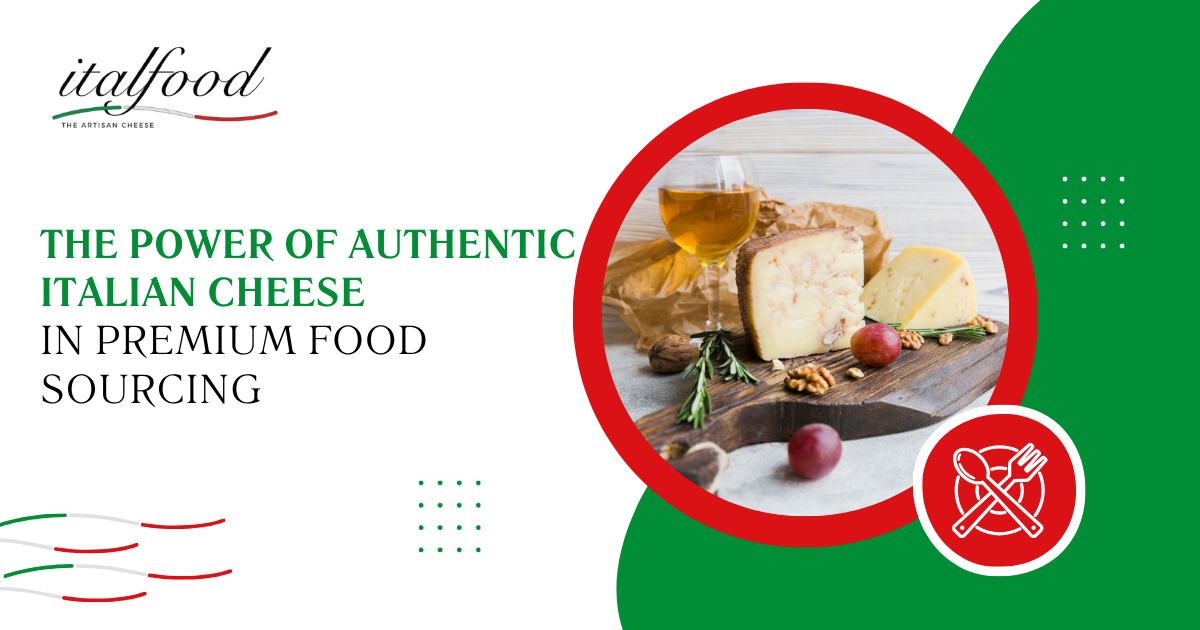
In today’s premium food market, Authentic Italian Cheese stands as a symbol of quality, trust, and culinary heritage. With global demand rising for artisanal and origin-certified products, buyers are prioritizing food that reflects authenticity, craftsmanship, and provenance. Chefs, gourmet retailers, and distributors increasingly value Italian cheese not just for its rich flavors but for the assurance that comes from traditional production methods, protected regional origins, and strict quality standards.

Beyond taste, Authentic Italian Cheese strengthens brand value and supply chain credibility. Certifications, traceability, and long-standing producer expertise help businesses build confidence with end customers while differentiating their offerings in a competitive market. For premium food sourcing, authenticity directly influences perceived quality, consistency, and trust—making Italian cheese a strategic asset for brands seeking long-term growth, elevated positioning, and reliable partnerships.

What Defines Authentic Italian Cheese? 

Authentic Italian Cheese is defined by origin, tradition, and uncompromising standards. It is produced in specific Italian regions using time-honored methods passed down through generations, with milk sourced locally to preserve regional character and flavor. These cheeses follow strict recipes that reflect Italy’s rich dairy heritage. What truly sets Authentic Italian Cheese apart is its protection under certifications such as PDO (DOP), PGI, and DOC. These designations ensure quality, legal authenticity, and traceability, enabling buyers to trust the products they source. Certification also strengthens confidence in global markets while supporting regional Italian dairy economies, ensuring tradition and excellence remain at the core of premium cheese sourcing.

The Role of Authentic Italian Cheese in Premium Food Sourcing 

In today’s competitive premium food landscape, Italian Mozzarella Cheese plays a strategic role in helping buyers stand out with confidence and credibility. Premium buyers choose authentic Italian cheese for its unmatched consistency in taste, texture, and aging profiles—qualities shaped by protected regions, traditional methods, and strict certifications. This reliability enables chefs, retailers, and distributors to deliver a consistent, high-quality experience while enhancing menu positioning and retail differentiation. Just as importantly, authentic Italian cheese aligns perfectly with rising consumer demand for clean-label, artisanal, and traceable foods.

For B2B food buyers, the value goes beyond flavor. Authentic Italian cheese offers powerful storytelling for branding and marketing, reinforcing heritage, craftsmanship, and trust. Its recognized origin supports higher perceived value and premium pricing, while certified supply chains reduce sourcing risk and ensure long-term reliability—making authenticity a smart business investment, not just a culinary choice.

Popular Types of Authentic Italian Cheese Used in Premium Markets 

Parmigiano Reggiano

A symbol of aged excellence, known for its granular texture and intense umami richness. Widely used in fine dining and premium food manufacturing for authentic flavor depth.

Mozzarella di Buffalo Campana

Celebrated for its PDO purity, soft texture, and fresh, milky taste. A top choice for high-end hospitality and gourmet retail.

Pecorino Romano

Bold, salty, and robust, making it ideal for professional kitchens and classic Italian recipes requiring strong flavor impact.

Grana Padano

Valued for versatility and consistency, offering a cost-effective premium alternative for chefs, retailers, and private labels.

Gorgonzola

A heritage blue cheese with a distinctive aroma and balanced sharpness, popular in upscale menus and specialty stores.

Usage Across Industries

  • Fine dining and hospitality for premium menu positioning


  • Gourmet retail and specialty stores for differentiation


  • Food manufacturing and private labels seeking Authentic Italian Cheese credibility


How Authentic Italian Cheese Elevates Brand Trust & Consumer Perception 

In today’s discerning food market, Italian pizza is more than a product—it’s a powerful trust signal. Modern consumers value transparency, traceability, and ethical sourcing, and Italian origin naturally reinforces these expectations. By highlighting authentic sourcing, brands can weave compelling stories around heritage, craftsmanship, and regional pride, making their offerings more relatable and aspirational. This authenticity doesn’t just enrich brand storytelling—it drives tangible business outcomes. Consumers associate genuine Italian cheese with quality and integrity, making them more likely to return, recommend, and remain loyal. For premium food brands, incorporating authentic Italian cheese isn’t just a choice—it’s a strategic move to strengthen trust, elevate perception, and create lasting consumer connections.

Sustainability & Tradition: The Future of Authentic Italian Cheese

Challenges in Sourcing  Real Italian Mozzarella & How to Overcome Sourcing authentic Italian cheese for premium markets comes with its share of challenges. Counterfeit or imitation products can compromise quality and brand trust, while inconsistent supply and pricing fluctuations create uncertainty for chefs, retailers, and distributors. Regulatory and import compliance adds another layer of complexity, making reliable sourcing even more critical.

To navigate these challenges, partnering with certified Italian producers is essential. Always verify PDO documentation and traceability records to ensure authenticity. Working with specialized premium food distributors further streamlines procurement, offering consistent supply and compliance support. By adopting these best practices, businesses can confidently bring the rich flavors of authentic Italian cheese to discerning consumers, while safeguarding quality, trust, and brand value.

Sustainability & Tradition: 

Authentic Italian cheese is embracing a future where tradition meets sustainability. Italian dairy farms are increasingly adopting eco-friendly practices, from responsible pasture management to reduced carbon footprints, ensuring that every wheel of cheese honors both heritage and the environment. Balancing centuries-old methods with modern food safety standards allows producers to maintain quality while meeting global regulatory expectations. This commitment to sustainability not only safeguards the authenticity of Italian cheese but also strengthens long-term supply stability for international buyers. As consumers become more conscious about the origins and impact of their food, authentic Italian cheese stands out as a premium choice that combines rich cultural heritage with responsible, forward-thinking production.

Why Authentic Italian Cheese Is a Strategic Investment for Premium Food Businesses

In today’s competitive premium food market, authentic Italian cheese isn’t just a product—it’s a strategic asset. Offering these cheeses strengthens product portfolios, elevates brand positioning, and supports premium pricing with higher margins. Consumers increasingly value authenticity, provenance, and artisanal quality, making Italian cheese a natural fit for global trends. For importers, retailers, and foodservice brands, investing in certified Italian cheeses ensures consistency, trust, and long-term value. By prioritizing authenticity, businesses differentiate themselves, appeal to discerning customers, and reinforce their commitment to quality.

Conclusion: 

Authentic Italian cheese represents more than flavor—it embodies heritage, quality, and reliability. For premium food businesses, it delivers tangible benefits: stronger brand equity, loyal customers, and sustainable growth. Prioritizing certified, authentic products over imitation options safeguards trust, enhances market reputation, and maximizes long-term business impact. For importers, retailers, and chefs alike, embracing authentic Italian cheese is a decisive step toward premium differentiation and lasting success.

Let’s Connect:

Visit us at www.italfood.ae to discover our full range of Italian cheeses.

For wholesale inquiries: info@italfood.ae

B2B deliveries are available across the UAE.


Christmas is all about warmth, togetherness, and unforgettable food. From cozy family dinners to joyful holiday gatherings, the right ingredients can turn a simple meal into a festive celebration. One ingredient that truly elevates Christmas cooking is Italian cheese. Rich in flavor, deeply traditional, and incredibly versatile, Italian cheese brings authentic indulgence to every holiday table.In this festive food guide, we explore how Italian cheese for Christmas can transform your dishes, delight your guests, and make your celebrations even more special.

Why Italian Cheese Belongs on Your Christmas Table

Italian cuisine is known for its comfort, depth of flavor, and timeless traditions—qualities that perfectly match the spirit of Christmas. Italian cheese is crafted using time-honored methods, offering consistent taste, natural aroma, and a premium mouthfeel that enhances festive dishes. Whether you’re hosting a Christmas dinner, preparing a holiday buffet, or simply enjoying a cozy meal at home, authentic Italian cheese adds richness and elegance that feels truly festive.

The Christmas Connection: Cheese in Italian Festive Traditions

In UAE, cheese is more than an ingredient—it’s a celebration of heritage. During Christmas, cheese features prominently in starters, main courses, and even desserts. Families gather around tables filled with baked pasta, creamy fillings, and generous cheese platters meant for sharing. This tradition has made Italian cheese a global favorite for festive cooking, especially during Christmas when indulgence is encouraged and quality matters most.

Must-Have Italian Cheeses for Christmas Day

Choosing the right cheese can completely change your holiday menu. Here are some of the best Italian cheeses for Christmas:

  • Mozzarella – Known for its soft texture and perfect melt, ideal for pizzas, baked dishes, and casseroles

  • Burrata – Creamy on the inside, luxurious on the plate, perfect for starters and festive platters

  • Ricotta – Light yet rich, great for desserts, fillings, and baked recipes

  • Parmesan (Parmigiano Reggiano) – A bold, aged cheese that adds depth to pasta, soups, and sides

These cheeses offer versatility, making them perfect for both traditional and modern Christmas recipes.

Christmas Dishes Made Better with Italian Cheese

Italian cheese fits seamlessly into festive menus. Some popular Christmas uses include:

  • Cheesy baked pastas and lasagna layered with mozzarella and parmesan

  • Holiday pizzas topped with fresh Italian cheese for gatherings and parties

  • Creamy starters and appetizers using burrata or ricotta

  • Cheese boards and sharing platters for pre-dinner celebrations

From comfort food to gourmet creations, Italian cheese recipes for Christmas bring joy to every bite.

How to Build the Perfect Italian Cheese Christmas Platter

A well-crafted cheese platter is a Christmas essential. To create a festive Italian cheese board:

  • Mix soft, semi-hard, and aged cheeses

  • Pair with fresh bread, crackers, nuts, fruits, and olives

  • Add festive touches like rosemary, berries, or honey

  • Serve at the right temperature to enhance flavor

An Italian cheese platter for Christmas not only looks impressive but also becomes a social centerpiece.

Cooking Tips: Using Italian Cheese the Right Way During Holidays

To get the best out of your cheese this Christmas:

  • Store cheese properly to maintain freshness

  • Allow cheese to reach room temperature before serving

  • Use the right cheese for melting, baking, or topping

  • Avoid overcooking to preserve texture and taste

Knowing how to use Italian cheese correctly ensures your festive dishes stay flavorful and consistent.

Why Quality Italian Cheese Matters During Christmas

Christmas meals are special, and quality ingredients make all the difference. High-quality Italian cheese offers:

  • Better taste and texture

  • Consistent performance in cooking

  • Reduced wastage and better portion control

  • Authentic flavor that elevates festive dishes

Choosing cheese from a trusted Italian cheese supplier ensures your holiday cooking meets expectations.

Italian Cheese for Restaurants & Food Businesses During Christmas

For restaurants, cafés, cloud kitchens, and hospitality brands, Christmas is peak season. Using Italian cheese for restaurants helps:

  • Create premium festive menus

  • Improve customer satisfaction

  • Maintain consistency during high-volume orders

  • Build brand trust through quality

Italian cheese allows food businesses to stand out during the holiday rush.

Final Thoughts: Make This Christmas Deliciously Italian

Christmas is the perfect time to indulge in rich flavors, comforting recipes, and memorable meals. With its authenticity, versatility, and festive appeal, Italian cheese turns ordinary dishes into holiday highlights. Whether you’re cooking at home or serving customers, bringing Italian cheese to your Christmas table is a decision your taste buds will thank you for.

🎄 Ready to Upgrade Your Christmas Menu?

Discover premium Italian cheese that delivers authentic flavor, perfect melt, and festive quality—making every Christmas dish unforgettable.

Let’s Connect:

Visit us at www.italfood.ae to discover our full range of Italian cheeses.

For wholesale inquiries: info@italfood.ae

B2B deliveries are available across the UAE.

I BUILT MY SITE FOR FREE USING